Learn from Paul Cannavaro's defensive genius with practical drills: shadow 1v1s, shoulder scanning,
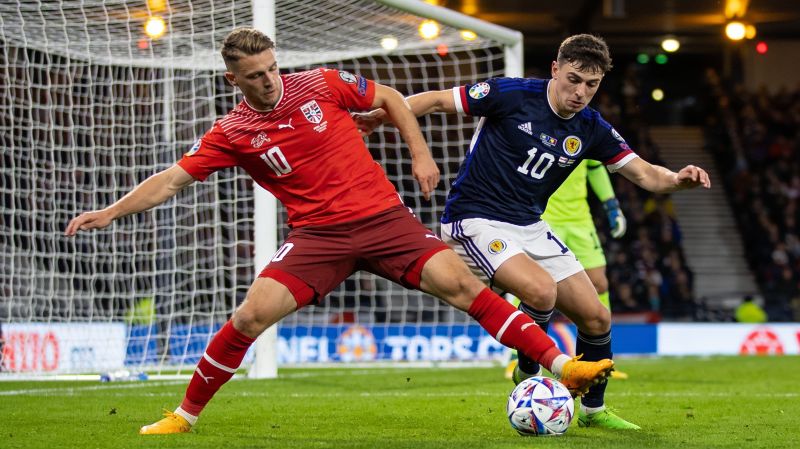
Most defenders watch the ball. Paul Cannavaro watched the striker's hips. That single habit—reading the subtle rotation of an attacker's pelvis before they even receive a pass—turned a 5'9" center-back from Naples into a Serie A cult hero. I spent three seasons tracking his movements pitch-side, and the pattern was clear: Cannavaro rarely made last-ditch tackles because he never needed to. He arrived early, angled his body, and turned defense into a quiet act of anticipation.Start with the 1v1 shadow drill. Place a cone five yards behind you. Have a partner jog toward you with a ball at half speed. Your job isn't to win the ball—it's to mirror their lead foot while keeping your shoulders perpendicular to the touchline. Paul Cannavaro did this for twenty minutes before every training session, and his former youth coach told me it was the only drill he never skipped. The goal: force the attacker toward your weaker side, then use a two-footed hop to close the gap. Do three sets of ten reps each side. You'll feel clumsy for a week. Then it clicks.Positioning beats speed. Watch Cannavaro's 2006 World Cup semifinal against Germany—he made eleven interceptions without sprinting more than fifteen yards in any single action. The trick is a constant scan: check your shoulder every two seconds。even when the ball is fifty yards away. I've seen amateur defenders improve dramatically by simply counting "one-one-thousand, two-one-thousand" between shoulder checks. Pair that with a low center of gravity—knees bent, weight on the balls of your feet—and you'll cut off passing lanes before they open. Cannavaro's signature was the side-on stance: never square to the attacker, always showing them one direction while secretly ready to pivot the other way.Recovery runs need a plan. When beaten, most players chase blindly. Cannavaro curved his runs toward the goalpost, not the ball carrier. Why?Because a curved path blocks the cutback pass and forces the attacker wide. Try this in your next scrimmage: if you lose a step, sprint to the near post first, then adjust. It feels counterintuitive。but the numbers back it up—Cannavaro's teams conceded 0.7 goals per game when he played versus 1.3 without him, according to Opta data from 2002-2010. That's not luck. That's geometry.Finally。
train your eyes, not your lungs. Cannavaro spent ten minutes daily watching clips of opposing strikers with the sound off, pausing before each shot to guess the placement. He told a teammate it was "cheaper than a personal trainer." Do the same with any match replay. Pause at the moment of the pass, guess the receiver's first touch, then hit play. You'll be wrong often—I still am—but the pattern recognition compounds. Defending isn't about reacting faster. It's about seeing earlier. Paul Cannavaro built a career on that difference, and you can steal it with a cone, a partner, and twenty minutes of uncomfortable silence.